
Service
Women’s Health Physiotherapy
Pregnancy-related and postnatal physiotherapy, plus back and pelvic pain care — provided by female physiotherapists in a private treatment arrangement.
Separate arrangements for male and female patients
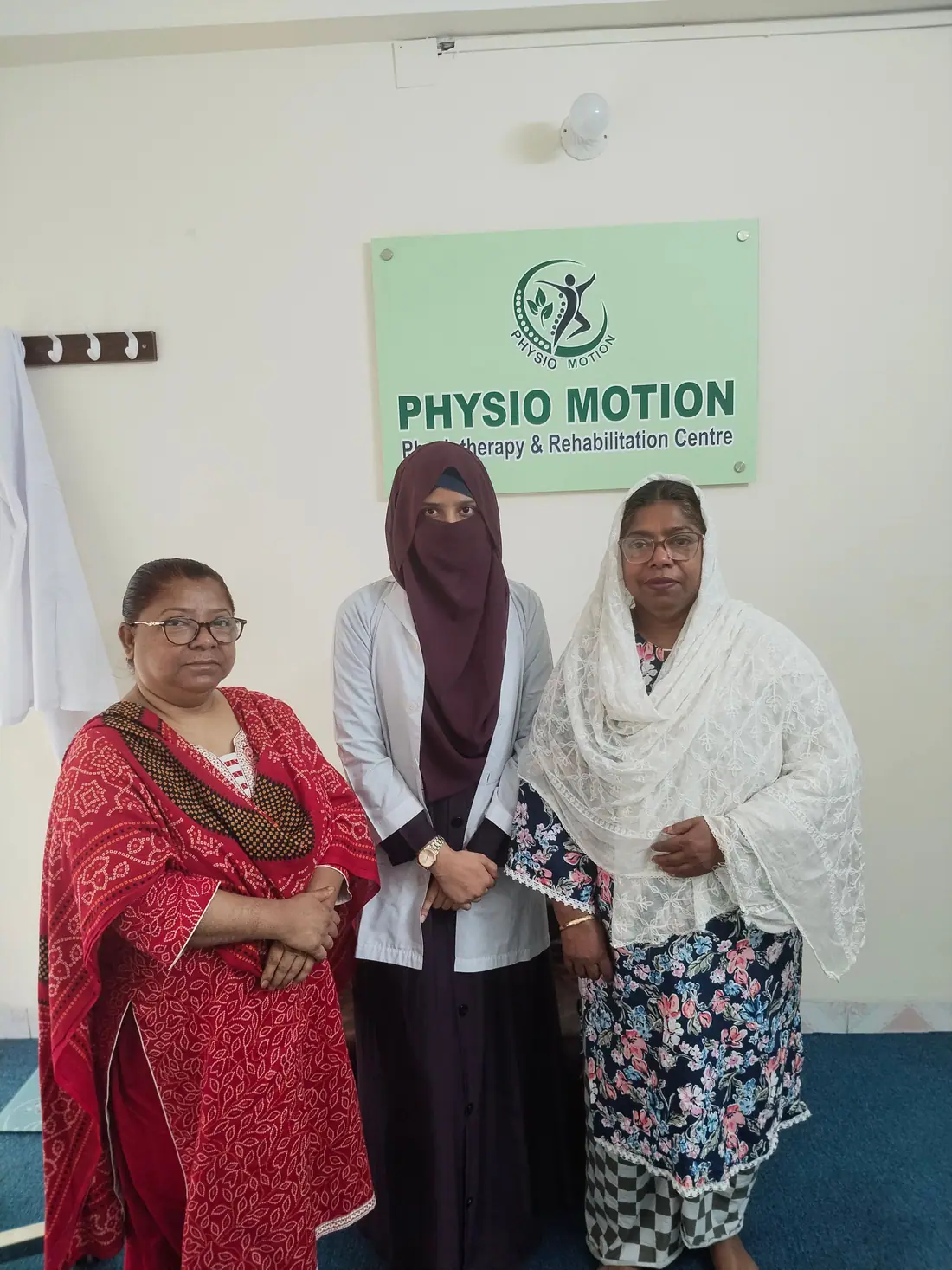
A great deal of what women are told to simply accept — back pain through pregnancy, pelvic pain that makes walking difficult, an abdominal gap that has not closed months after delivery, ongoing discomfort after a caesarean — is treatable. It is often left untreated because there is nowhere comfortable to raise it.
Physio Motion provides women’s health physiotherapy with female physiotherapists and a separate treatment arrangement for female patients, so that the assessment can be as thorough as it needs to be.
During pregnancy
Pregnancy changes posture, loading and ligament laxity over a short period, and the lower back, pelvis and hips absorb most of that change. Common complaints include lower back pain, pelvic girdle pain that makes walking, stairs and turning in bed painful, rib and upper back pain later in pregnancy, and swelling in the legs.
Treatment includes safe strengthening for the muscles supporting the spine and pelvis, manual therapy adapted to pregnancy, positioning advice for sleeping and daily activity, guidance on support belts where they are appropriate, and pelvic floor education before delivery rather than after it.
After delivery
The postnatal period gets very little structured physical care, despite involving significant recovery. Abdominal separation, ongoing back pain, weakness in the trunk and pelvic floor, and pain around a caesarean scar are all common and all responsive to treatment.
Postnatal rehabilitation rebuilds deep abdominal and pelvic floor function first, then progresses to the strength you actually need — lifting and carrying a growing baby, often while managing a household. Returning to exercise is staged rather than sudden, because going straight back to running or heavy training usually provokes symptoms.
It is worth saying clearly that there is no expiry date on this. Women who gave birth years ago can still make substantial progress on abdominal separation, back pain and pelvic floor strength.
Other conditions in this service
- Lower back, neck and shoulder pain, including pain related to caring for young children.
- Pelvic girdle and sacroiliac joint pain, in and outside pregnancy.
- Abdominal muscle separation (diastasis recti) assessment and rehabilitation.
- Postural pain related to feeding, carrying and desk work.
- Osteoporosis-related exercise guidance and safe loading.
- General strengthening and return-to-exercise programmes.
Privacy and how appointments are arranged
Female patients are treated by female physiotherapists in a separate treatment arrangement. This applies across the centre, not only to this service — it is how Physio Motion is organised.
When you message us, say what you would like help with and that you would prefer a female physiotherapist, and the appointment will be scheduled accordingly. If you would rather explain the details in person rather than over WhatsApp, that is completely fine — just book the assessment.
Frequently asked questions
Will I be treated by a female physiotherapist?
Yes. Physio Motion maintains separate treatment arrangements for male and female patients, with physiotherapists matched accordingly. Female patients in this service are treated by female physiotherapists.
Is physiotherapy safe during pregnancy?
Physiotherapy is generally safe in pregnancy when it is adapted appropriately, and treatment and exercise are modified for your stage. Tell us about any complications so the programme can be adjusted, and follow your doctor’s advice on activity.
How long after delivery can I start postnatal physiotherapy?
Gentle assessment and early rehabilitation can usually begin within the first weeks, including after a caesarean, once your doctor is satisfied with your recovery. Higher-intensity exercise is introduced gradually after that.
Can abdominal separation still be treated years after childbirth?
Yes. Improvements in abdominal control, strength and associated back pain are achievable well beyond the first postnatal year — the timeline is longer, not closed.
I am uncomfortable discussing these problems. What can I expect?
You control what you share and what is examined, and nothing is done without explaining it first. Many women book an assessment and explain the details in person rather than in a message, which is completely fine.
Conditions we treat with this service
- Low Back Pain, PLID & Sciatica Back pain, disc prolapse (PLID) and sciatica — assessed properly, then treated with hands-on care and a progressive exercise plan.
- Neck Pain Neck pain, cervical spondylosis, nerve pain into the arm and neck-related headaches — treated with hands-on care plus targeted strengthening.
Not sure which applies to you? Get in touch and we will point you in the right direction, or browse all our services .
Ready to start treatment?
Message us on WhatsApp with what is bothering you and when you are free. Tell us if you would prefer a male or female physiotherapist and we will schedule accordingly.
Saturday–Thursday, 9:00 AM – 9:00 PM · Friday — closed