
Condition
Knee Pain
Knee osteoarthritis, ligament and meniscus injuries and kneecap pain — assessed to find the cause, then treated with progressive strengthening.
Treated under Arthritis Management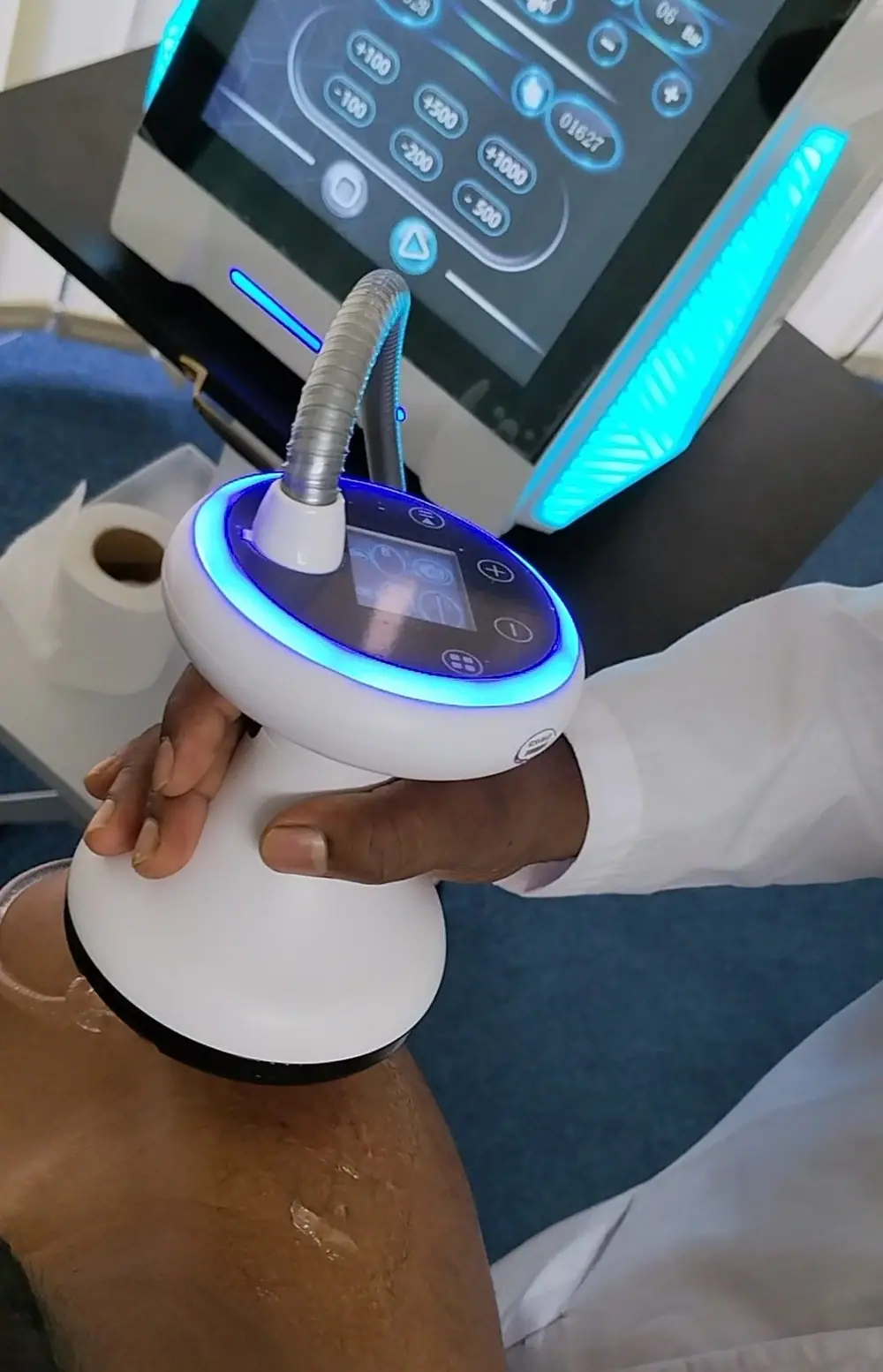
The knee is a hinge caught between two joints that rotate freely, so it absorbs whatever the hip and ankle fail to control. That is why knee pain so often has its origin somewhere else, and why treating only the knee tends to give partial results.
Physio Motion assesses knee pain to determine which structure is involved and what is loading it that way — then treats both. Deep squatting, floor sitting and prayer positions place considerable demand on the knee, and these are treated as functional goals rather than activities to abandon.
Common causes of knee pain
- Osteoarthritis — stiffness after rest, pain on stairs and squatting, sometimes swelling after activity.
- Patellofemoral pain — pain around or behind the kneecap, worse on stairs, squatting and prolonged sitting.
- Meniscus injuries — pain on twisting, sometimes catching, locking or giving way.
- Ligament injuries — instability after a specific incident, often with swelling soon afterwards.
- Tendinopathy — pain at the front of the knee below the kneecap, common in running and jumping sports.
- Iliotibial band problems — pain on the outer knee, typically in runners and cyclists.
- Referred pain from the hip or lower back, which is easy to miss if only the knee is examined.
Why strength matters more than anything else
For the large majority of knee problems, the single most effective intervention is progressive strengthening — the quadriceps in particular, plus the glutes, hamstrings and calf. Strong muscles absorb load that would otherwise pass through the joint surfaces, and improve the control that keeps the knee tracking properly.
Weakness develops remarkably fast. A few weeks of limping or reduced activity produces measurable quadriceps loss, and it does not return by itself once the pain settles. This is the main reason knee pain recurs: the pain resolved, the weakness did not, and the joint went back to being under-supported.
Strengthening is dosed to what your knee currently tolerates and progressed steadily. Some discomfort during exercise is acceptable; pain still elevated the next day means the dose was too high.
Assessment and treatment
Assessment covers knee range and swelling, specific tests for the ligaments and meniscus, strength testing, how the kneecap tracks, and how you move through squatting, stairs and walking. The hip and ankle are examined as part of the knee assessment, not as an optional extra.
Treatment combines that strengthening programme with manual therapy where stiffness is limiting movement, swelling management where relevant, technique correction for stairs and squatting, taping or bracing where it genuinely helps in the short term, and activity modification that keeps you moving rather than stopping you.
When to seek prompt medical review
- A knee that locks and cannot be straightened.
- Marked swelling appearing within an hour of an injury.
- A knee that gives way repeatedly under normal walking.
- Inability to bear weight after an injury.
- A hot, swollen knee with fever, which needs urgent medical assessment.
Frequently asked questions
Is walking bad for knee arthritis?
No — regular walking is generally beneficial for knee osteoarthritis. Distance and pace should be built up gradually, and combining walking with strengthening produces better results than walking alone.
Do I need surgery for a meniscus tear?
Frequently not. Many meniscus tears, particularly degenerative ones, respond well to structured rehabilitation. Surgery is more often considered for a knee that genuinely locks or for specific tear patterns in younger, active patients.
Why does my knee hurt when I sit for a long time?
Pain that builds during prolonged sitting and eases when you move is typical of patellofemoral pain, where the kneecap is loaded against the thigh bone in a sustained bent position.
Can I still pray and sit on the floor with knee pain?
Often yes, sometimes with temporary modification while symptoms settle. Restoring these positions is treated as a specific rehabilitation goal, using strength work and technique adjustments.
Will a knee brace help?
A brace can help in the short term for instability or during a flare, but it does not build strength. It is best used as a temporary support alongside rehabilitation, not as a permanent substitute for it.
Next steps
Ready to start treatment?
Message us on WhatsApp with what is bothering you and when you are free. Tell us if you would prefer a male or female physiotherapist and we will schedule accordingly.
Saturday–Thursday, 9:00 AM – 9:00 PM · Friday — closed